
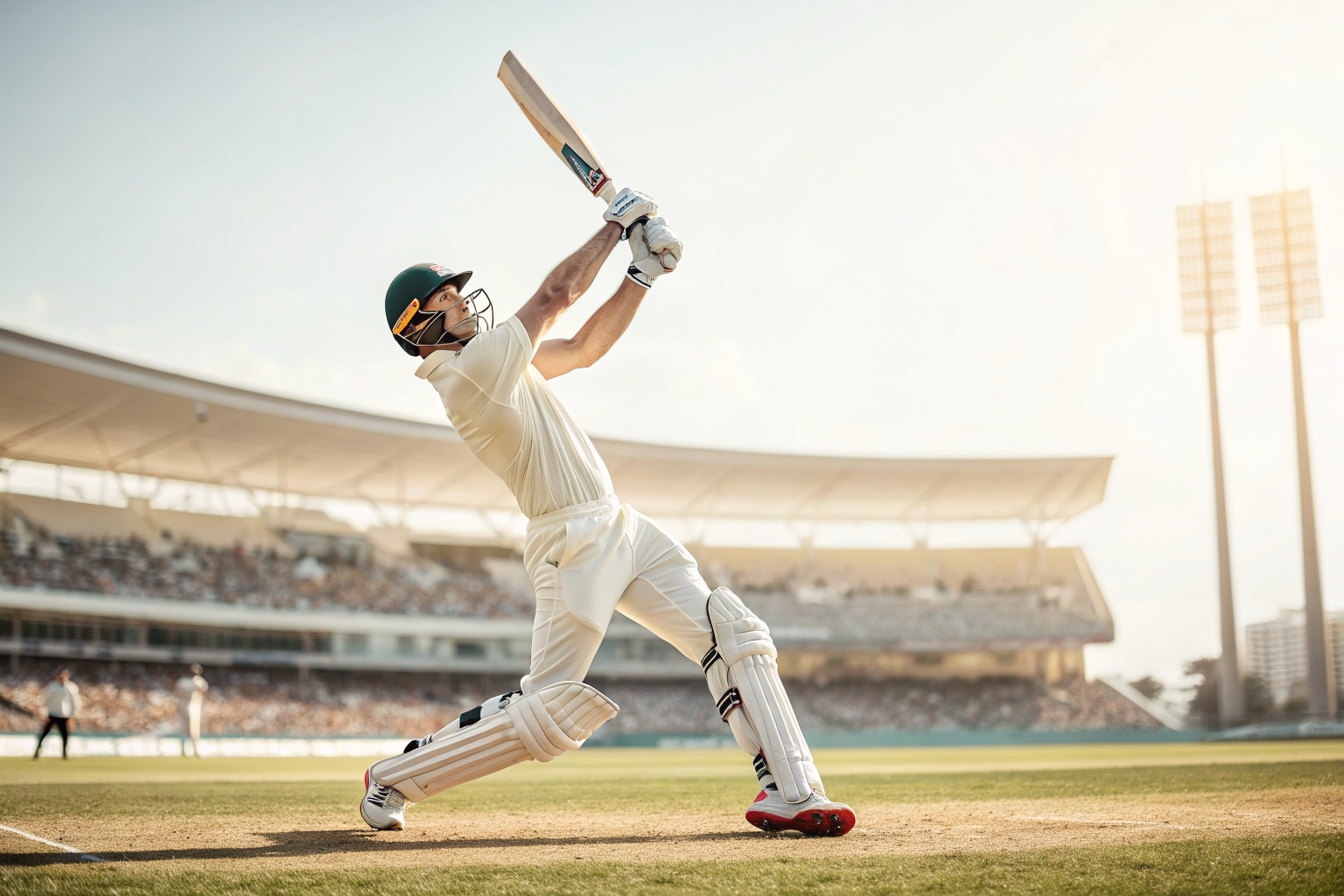
The rapid growth of cricket betting in India has transformed how fans engage with their favorite sport. While traditional pre-match betting remains popular, in-play betting has emerged as the most exciting way to wager on cricket matches. However, a critical factor that significantly impacts the success and fairness of live betting is broadcast delay – the time gap between actual match events and what viewers see on their screens.
Broadcast delays in cricket matches typically range from 5 to 45 seconds, depending on the broadcasting technology and platform used. This seemingly small time difference creates substantial challenges for bettors who rely on television broadcasts to make real-time betting decisions. Understanding these delays and their implications is crucial for anyone serious about cricket betting.
For Indian cricket enthusiasts, where matches featuring the national team or IPL generate massive betting volume, broadcast delays can mean the difference between profitable betting sessions and significant losses. The delay affects everything from odds movement to bet acceptance, making it essential knowledge for both casual and professional bettors.
Understanding Broadcast Delays in Cricket Broadcasting
Technical Aspects of Broadcasting Delays
Cricket broadcast delays occur due to multiple technical factors in the television production chain. Digital encoding and compression processes add initial delays as raw camera feeds are processed into broadcast-ready signals. Satellite transmission introduces additional latency as signals travel from ground stations to satellites and back to broadcasting centers.
The complexity increases with international broadcasts, where signals may pass through multiple relay points before reaching Indian audiences. Each processing step adds milliseconds that accumulate into significant delays. Modern digital broadcasting systems, while providing superior picture quality, often introduce more delay compared to older analog systems.
Streaming platforms add another layer of complexity, with internet-based delivery systems creating variable delays depending on server load, internet connectivity, and buffering requirements. These delays can fluctuate throughout a match, making them particularly challenging for in-play bettors to predict or compensate for.
Different Broadcasting Platforms and Their Delay Characteristics
Television broadcasts traditionally maintain the most consistent delay patterns, typically ranging from 5-15 seconds for domestic matches. However, international matches broadcast via satellite can experience delays of 20-30 seconds. Premium sports channels often implement additional delay buffers to ensure smooth broadcast quality, further extending these timeframes.
Digital streaming services show more variation in their delay characteristics. Popular platforms may experience delays ranging from 10-45 seconds, with peak viewing periods often resulting in longer delays due to server load management. Mobile streaming applications frequently exhibit the longest delays, sometimes exceeding one minute during high-traffic events like IPL finals.
| Broadcasting Platform | Typical Delay Range | Consistency Level | Peak Event Impact |
|---|---|---|---|
| Cable/DTH TV | 5-15 seconds | High | Minimal |
| Satellite International | 20-30 seconds | Medium | Low |
| Desktop Streaming | 15-35 seconds | Medium | Moderate |
| Mobile Apps | 25-60 seconds | Low | High |
Impact on Live Betting Markets and Odds
How Delays Affect Real-Time Odds Movement
Broadcast delays create significant disparities between actual match events and the betting markets’ response to those events. When a wicket falls or a boundary is scored, bookmakers with access to live feeds adjust their odds immediately, while television viewers remain unaware of the event. This creates windows where displayed odds no longer reflect the true match situation.
Professional betting syndicates and traders often exploit these windows by placing large volumes of bets during the delay period. Their access to faster information sources, such as live attendance or premium data feeds, allows them to identify value bets before the broader betting public becomes aware of significant match developments.
The impact varies depending on the match situation and betting market. High-volatility moments like final overs, wicket clusters, or tight finishes see the most dramatic odds movements during delay periods. Markets such as “next wicket method” or “runs in next over” become particularly vulnerable to delay-based advantages.
Market Liquidity Changes During Delay Periods
Betting market liquidity demonstrates notable patterns related to broadcast delays, with significant volume spikes occurring during the delay window following major match events. Informed traders flood the markets with bets during these periods, often exhausting available liquidity at favorable odds before television viewers can react.
This liquidity drain creates cascading effects throughout the betting session. Casual bettors frequently find their bets rejected or filled at worse odds than displayed, leading to frustration and reduced betting activity. The concentration of betting volume during delay windows also increases market volatility, making price discovery less efficient.
Bookmakers respond to these patterns by implementing various protective measures, including faster odds updates, reduced bet limits during volatile periods, and enhanced monitoring for unusual betting patterns. However, these measures often disadvantage casual bettors who rely on broadcast feeds for their betting decisions.
Strategies for Bettors to Navigate Broadcast Delays
Timing Strategies for In-Play Betting
Successful navigation of broadcast delays requires strategic timing approaches that account for information asymmetries in cricket betting markets. Experienced bettors develop timing protocols that focus on stable match periods rather than volatile moments when delays create maximum disadvantage.
One effective approach involves betting during natural breaks in play, such as drinks intervals or between overs, when match dynamics remain relatively stable. These periods minimize the risk of major events occurring during the broadcast delay window, providing more reliable betting conditions for television viewers.
Another strategic timing method focuses on early-innings betting when match situations change more gradually. The opening phases of cricket innings typically feature fewer dramatic events, reducing the impact of broadcast delays on betting outcomes. This approach allows bettors to engage with in-play markets while minimizing delay-related risks.
- Pre-Ball Betting: Place bets before the bowler begins their run-up to minimize exposure to delay-related events during ball delivery
- Over-Break Windows: Utilize the natural pause between overs when play is temporarily stopped and no immediate events can occur
- Strategic Timeouts: Take advantage of official timeouts and reviews when match action is officially paused
- End-of-Session Betting: Focus betting activity during lunch, tea, or stumps when play has concluded for extended periods
- Weather Delay Opportunities: Use rain delays or bad light interruptions when match conditions remain static
Technology Solutions and Alternative Information Sources
Fast Data Feeds and Live Scoring Services
Modern cricket betting benefits significantly from advanced data feed technologies that provide information faster than traditional broadcast sources. Professional live scoring services often deliver ball-by-ball updates within 1-3 seconds of actual events, substantially reducing the information gap faced by television viewers.
These services combine multiple data sources, including direct stadium feeds, official scorer networks, and on-ground reporting teams, to create comprehensive real-time information streams. Many services offer API access, allowing serious bettors to integrate live data into their betting strategies and decision-making processes.
The reliability and speed of these alternative sources vary considerably, with premium services commanding higher subscription fees for faster and more accurate information. Some services specialize specifically in Indian cricket, providing enhanced coverage of domestic competitions like the IPL, Ranji Trophy, and international matches featuring the Indian team.
Mobile Apps and Push Notification Systems
Cricket-focused mobile applications have revolutionized access to real-time match information, often delivering event notifications significantly faster than television broadcasts. Leading cricket apps utilize direct stadium connections and official scorer feeds to provide instant updates on wickets, boundaries, milestones, and other significant match events.
Push notification systems allow bettors to receive immediate alerts about match developments, often arriving 10-30 seconds before the same events appear on television screens. These systems can be customized to focus on specific types of events or particular teams, helping bettors prioritize the most relevant information for their betting strategies.
| Information Source | Speed Advantage | Cost Factor | Reliability Rating | Coverage Scope |
|---|---|---|---|---|
| Television Broadcast | Baseline | Low | High | Major matches |
| Cricket Apps | 10-30 seconds | Free-Medium | Medium | Comprehensive |
| Professional Data Feeds | 20-40 seconds | High | Very High | All levels |
| Social Media | 5-20 seconds | Free | Low | Popular matches |
Bookmaker Responses to Delay Issues
Delay Compensation Mechanisms
Leading cricket betting operators have developed sophisticated delay compensation systems to address the challenges posed by broadcast delays. These mechanisms aim to level the playing field between bettors with different information speeds while maintaining market integrity and profitability.
One common approach involves implementing artificial delays in odds updates, ensuring that television viewers have adequate time to react to match developments before odds reflect new information. However, this strategy must balance fairness with market efficiency, as excessive delays can reduce the appeal of in-play betting.
Advanced bookmakers utilize predictive modeling to anticipate high-impact moments in cricket matches, automatically implementing protective measures during periods when broadcast delays are most likely to create unfair advantages. These systems monitor betting patterns, match situations, and historical data to identify vulnerable betting windows.
Bet Acceptance and Rejection Policies
Sophisticated bet acceptance systems have become essential tools for bookmakers managing the challenges of broadcast delays in cricket betting. These systems evaluate multiple factors including bet timing, market conditions, and recent match events to determine whether bets should be accepted, rejected, or flagged for manual review.
Many operators implement tiered bet acceptance policies that automatically reduce bet limits during high-volatility match periods. These policies recognize that certain cricket situations, such as final overs or wicket-taking sequences, create elevated risk due to broadcast delay disadvantages for casual bettors.
- Automated Screening: Real-time algorithms assess bet timing against recent match events to identify potentially unfair advantage situations
- Dynamic Limit Adjustment: Bet limits automatically reduce during high-volatility cricket moments to minimize delay-related risks
- Manual Review Triggers: Unusual betting patterns or suspicious timing automatically escalate bets for human trader review
- Customer Categorization: Different bet acceptance rules apply based on customer betting history and identified information sources
- Market Suspension Protocols: Markets temporarily close during extreme volatility or when delay advantages become too significant
- Time-Window Restrictions: Certain bet types become unavailable during specific match situations where delays create unfair conditions
Future Developments and Emerging Technologies
The cricket betting industry continues to evolve with technological advances aimed at reducing broadcast delays and creating more equitable betting environments. Next-generation broadcasting technologies, including 5G networks and edge computing, promise to significantly reduce transmission delays for live cricket coverage.
Blockchain-based verification systems are emerging as potential solutions for creating transparent, delay-adjusted betting markets. These systems could provide immutable records of event timing and bet placement, enabling more sophisticated delay compensation mechanisms that ensure fair betting conditions for all participants.
Virtual and augmented reality technologies may revolutionize cricket viewing and betting by providing immersive experiences that reduce reliance on traditional broadcast feeds. These platforms could integrate real-time data streams directly into the viewing experience, minimizing delay-related disadvantages for in-play bettors.
Artificial intelligence and machine learning algorithms are becoming increasingly sophisticated in predicting and managing delay-related betting risks. Future systems may provide personalized delay compensation based on individual viewing methods and betting patterns, creating more equitable cricket betting experiences.
The regulatory landscape for cricket betting in India continues to develop, with potential future frameworks that may address broadcast delay issues through mandatory standards or consumer protection measures. These developments could establish minimum fairness requirements for in-play betting operations, ensuring that technological disadvantages don’t unfairly impact casual bettors.